
Machu Picchu Weather: A Month-by-Month Guide
Temperatures, rainfall, when to visit, what to wear & much more!Table of Contents
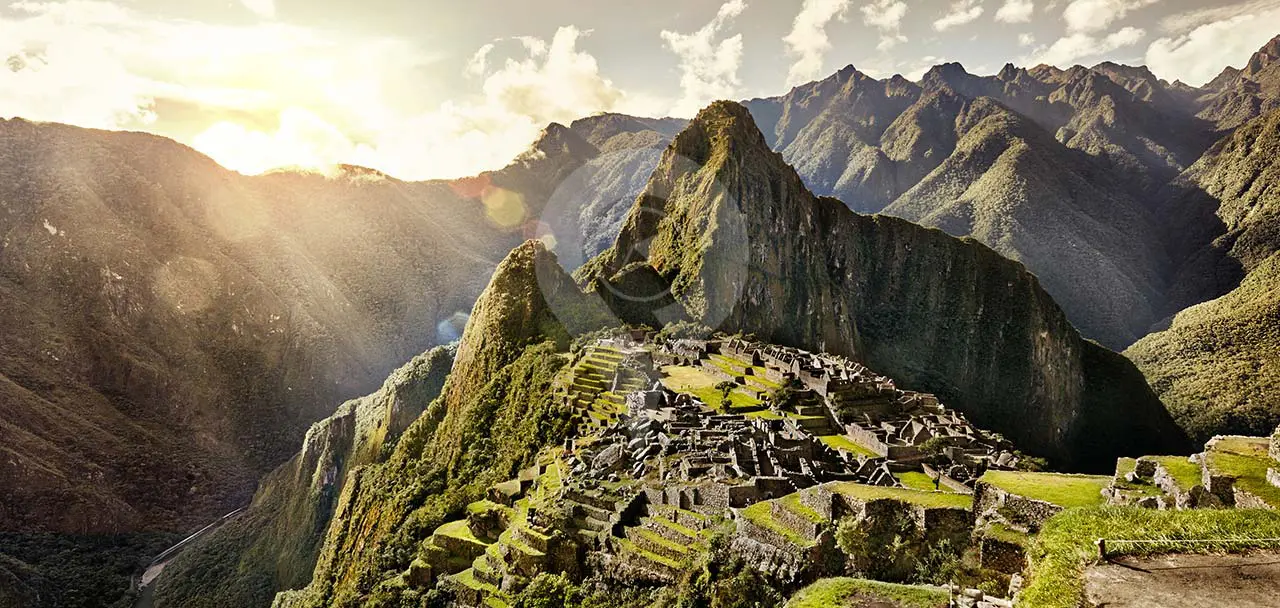
Machu Picchu sits at about 2,430 meters (7,970 feet) above sea level, on a mountain ridge where the Andes drop toward the Amazon. Its climate is mild all year: daytime highs average 20 to 23°C (69 to 74°F) and nights cool down to around 9 to 12°C (49 to 54°F). What really changes through the year is the rain. The dry season runs from May to September, and the wettest months are December to March.
In this guide you’ll find average temperatures and rainfall for every month, what to expect in the dry and rainy seasons, whether it snows, the best time to visit and what to pack.
What Affects Machu Picchu Weather
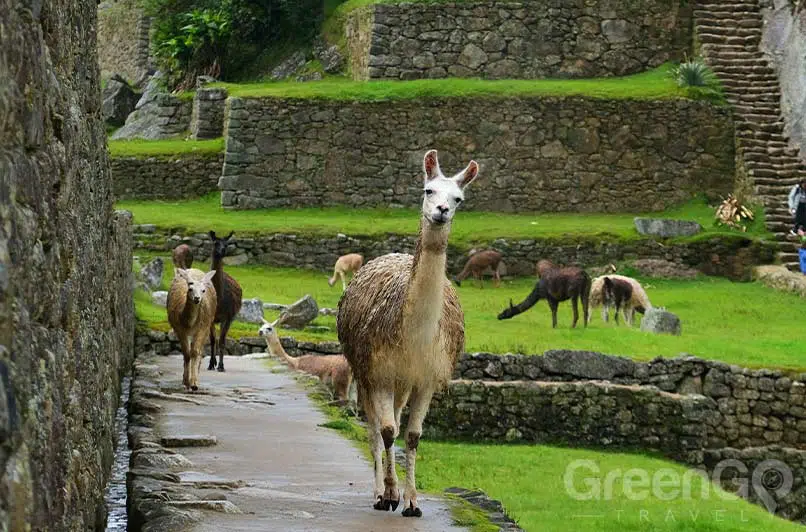
Machu Picchu is located where cool mountain air from the high Andes meets warm, humid air rising from the Amazon basin. That mix makes the weather change quickly. On the same day you can have bright sunshine in the morning, low clouds rolling in around midday and a shower in the afternoon.
Three things shape the weather you’ll experience:
- Altitude: at 2,430 meters the air is thinner, so the sun feels much stronger than the temperature suggests. Machu Picchu is lower than Cusco (about 3,400 meters), so it’s noticeably warmer and more humid.
- Season: Peru’s highlands have a dry season and a rainy season, and almost all of the year’s rain falls in the wetter months.
- Clouds and fog: the site sits above a deep river valley, and clouds and mist often cover the ruins early in the morning before burning off.
Temperatures in Machu Picchu
Temperatures at Machu Picchu stay remarkably stable through the year. The difference between the warmest and coldest month is only a couple of degrees. The bigger swing is between day and night: it can feel like T-shirt weather at noon and jacket weather at sunrise.
These are the average monthly temperatures and rainfall recorded by Peru’s National Meteorology and Hydrology Service (SENAMHI) at its Machu Picchu station, based on the 1991 to 2020 climate normals:
| Month | Average high | Average low | Average rainfall |
|---|---|---|---|
| January | 20.6°C (69°F) | 11.8°C (53°F) | 341 mm (13.4 in) |
| February | 20.6°C (69°F) | 11.9°C (53°F) | 325 mm (12.8 in) |
| March | 21.0°C (70°F) | 11.9°C (53°F) | 341 mm (13.4 in) |
| April | 21.5°C (71°F) | 11.7°C (53°F) | 184 mm (7.3 in) |
| May | 21.9°C (71°F) | 10.8°C (51°F) | 73 mm (2.9 in) |
| June | 22.0°C (72°F) | 10.0°C (50°F) | 51 mm (2.0 in) |
| July | 22.1°C (72°F) | 9.4°C (49°F) | 54 mm (2.1 in) |
| August | 23.1°C (74°F) | 10.0°C (50°F) | 61 mm (2.4 in) |
| September | 23.4°C (74°F) | 11.1°C (52°F) | 76 mm (3.0 in) |
| October | 22.8°C (73°F) | 11.5°C (53°F) | 163 mm (6.4 in) |
| November | 22.8°C (73°F) | 12.0°C (54°F) | 173 mm (6.8 in) |
| December | 21.2°C (70°F) | 12.0°C (54°F) | 275 mm (10.8 in) |
July is the coolest month at night, and September is the warmest during the day. Remember that these are averages: a sunny afternoon can feel hotter, and a cloudy, rainy morning can feel colder.
Does It Snow in Machu Picchu?
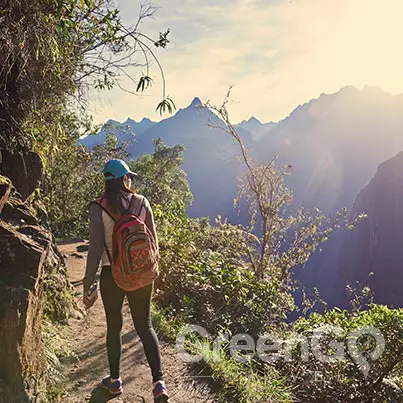
No. Snow doesn’t fall at Machu Picchu. Even in July, the coldest month, average night temperatures stay around 9°C (49°F), far above freezing. What you will see are snow-capped peaks in the distance: the higher mountains of the Andes around Cusco keep snow on their summits, and treks that cross high passes on the way to Machu Picchu can be very cold.
Is Machu Picchu Cold?
Not really. Days are mild to warm, and nights are cool rather than cold. Early mornings feel chilly, especially in the dry season and when it’s cloudy or wet, so bring a warm layer for the first hours of your visit. Cusco, where most trips start, is about 1,000 meters higher and much colder at night.
Why Does It Feel So Hot?
Many visitors are surprised by how hot it feels on a sunny day. At this altitude the sun is intense, and there’s little shade among the ruins. Aguas Calientes, the town below the site, sits lower, at about 2,040 meters, and is often warm and humid. Wear a hat, use sunscreen and drink plenty of water, even when the thermometer says 22°C.
Is It Windy at Machu Picchu?
It’s usually not very windy, but gusts can pick up on exposed viewpoints and when the weather changes quickly. A light windproof jacket is enough for most days.
Rainfall

Machu Picchu receives a lot of rain, about 2,100 mm (83 inches) a year. Most of it falls in the wet half of the year:
- Dry season (May to September): around 50 to 75 mm of rain a month. Expect mostly clear days, cool mornings and the clearest views.
- Shoulder months (April, October and November): rain increases or decreases gradually. Many days are sunny with an afternoon shower.
- Rainy season (December to March): between 275 and 340 mm of rain a month. Showers are frequent, but it rarely rains all day, and the landscape is at its greenest.
Clouds and fog can appear in any season, especially in the early morning. They often lift by mid-morning, revealing the ruins and Huayna Picchu, so it’s worth waiting if your view is hidden when you arrive.
Machu Picchu Weather by Month
Here’s what to expect in each month, based on the averages above.
January: one of the wettest months, with about 341 mm of rain. Days are mild, around 21°C, and nights about 12°C. Expect frequent showers and clouds, fewer visitors and very green scenery. Trails can be muddy, so bring good shoes and a rain jacket.
February: still the heart of the rainy season, with about 325 mm of rain and similar temperatures to January. The classic Inca Trail closes every February for maintenance, but Machu Picchu stays open and you can reach it by train.
March: rainfall stays high, around 341 mm, and temperatures are mild (21°C by day, 12°C at night). The Inca Trail reopens on March 1, and crowds are still low.
April: rain drops by almost half, to about 184 mm, as the rainy season comes to an end. With green landscapes, fewer crowds and more sunshine, April is one of the best months to visit.
May: the start of the dry season, with about 73 mm of rain, sunny days of around 22°C and cooler nights near 11°C. May is a favorite month for hiking, with clear skies and fewer visitors than in the peak months.
June: one of the driest months, with around 51 mm of rain. Days are sunny and around 22°C, and nights drop to about 10°C. June is part of the high season, and Cusco’s Inti Raymi festival brings many visitors to the region, so book early.
July: the coolest nights of the year, around 9°C, with sunny days near 22°C and little rain (about 54 mm). July is one of the busiest months of the year, so Inca Trail permits and Machu Picchu tickets sell out well in advance.
August: dry and sunny, with about 61 mm of rain and warmer days around 23°C. It’s still high season, with clear views and busy trails.
September: the warmest days of the year, about 23°C, and still fairly dry (around 76 mm of rain). Crowds start to thin out at the end of the high season, making September a great choice.
October: rain starts to return, with about 163 mm in the month, often as afternoon showers. Temperatures stay pleasant at about 23°C by day and 12°C at night, and there are fewer visitors.
November: a shoulder month with about 173 mm of rain and some of the warmest nights of the year, around 12°C. Mornings are often clear, with clouds and rain later in the day.
December: the rainy season gets going, with about 275 mm of rain. Days are around 21°C and nights about 12°C. Expect regular showers and misty views, but also lush green mountains and a festive atmosphere in Cusco around Christmas.
Best Time to Visit Machu Picchu

The best time to visit Machu Picchu depends on what matters most to you:
- For the best weather: May to September, the dry season, with the most sunshine and the clearest views. June to August are also the busiest months.
- For good weather and fewer crowds: April, May, September and October. You’ll get many dry days and a quieter visit.
- For the fewest visitors: December to March. It rains more, but the scenery is green and the site is quieter.
- For hiking the Inca Trail: avoid February, when the trail is closed. The dry season is the most comfortable time to trek, but permits sell out fast, so book months ahead.
Whatever the season, you can reach Machu Picchu by train. PeruRail and Inca Rail run trains from Cusco and Ollantaytambo to Aguas Calientes, the town at the foot of the site, and from there you go up to the ruins by bus or on foot. If you’d rather walk in, choose the 4-day Classic Inca Trail or the Short Inca Trail, a 16 km trek that ends at the Sun Gate.
Planning more time in the region? See our Cusco in 3 days itinerary. Visiting the Andes in Ecuador too? See our guide to the weather in Quito. Comparing destinations for your trip? Read Ecuador vs Peru, and if you’re adding the Galapagos, check our Galapagos weather by month guide.
What to Wear and Pack for Machu Picchu

Because the weather changes so quickly, the key is to dress in layers you can add or remove during the day.
Clothing
- Base layer: a breathable T-shirt or a quick-drying synthetic shirt. Long sleeves also protect you from the sun and insects.
- Mid layer: a light fleece or sweater for the cool mornings and evenings.
- Outer layer: a light, breathable rain jacket or poncho, essential in the rainy season and useful all year.
- Pants: lightweight, quick-drying hiking pants.
- Shoes: comfortable hiking shoes or boots with good grip, already broken in. Stone steps and paths can be slippery when wet.
- Hat and sunglasses: the sun is strong at this altitude.
Essentials
- Passport: it’s checked together with your entry ticket.
- Reusable water bottle: stay hydrated while you walk around the site.
- Sunscreen: high SPF, reapplied during the day.
- Insect repellent: useful especially in the warmer, wetter months and in Aguas Calientes.
- Small daypack: to carry your layers, water and camera.
- Cash: handy for small purchases in Aguas Calientes.
- Swimsuit: if you plan to visit the hot springs in Aguas Calientes.
Coming from Cusco? The city is much higher than Machu Picchu, so take it easy on your first days. Our guide to altitude sickness explains the symptoms and how to prevent them.
Plan Your Machu Picchu Trip
Rain or shine, Machu Picchu is unforgettable. Our travel experts can help you choose the best month, book your train or Inca Trail permits, and combine Peru with Ecuador tours and a Galapagos cruise in one trip.
Contact a travel expert for a free quote
Frequently Asked Questions about Machu Picchu
No. Even in July, the coldest month, average night temperatures at Machu Picchu are around 9°C (49°F). You can see snow-capped peaks in the distance, but snow doesn’t fall at the site.
Daytime highs average 20 to 23°C (69 to 74°F) all year, and nights average 9 to 12°C (49 to 54°F), according to SENAMHI, Peru’s national weather service.
May and September are excellent: dry, sunny and less crowded than June to August. The dry season runs from May to September.
The wettest months are December to March, with about 275 to 340 mm of rain a month. April, October and November are shoulder months with moderate rain.
December is a rainy month, with about 275 mm of rain, highs around 21°C (70°F) and lows near 12°C (54°F). Expect showers and mist, green landscapes and fewer visitors than in the dry season.
Not very. Days are mild to warm, and nights are cool. Early mornings can feel chilly, so bring a light fleece. Cusco, about 1,000 meters higher, is much colder at night.
No. The classic Inca Trail closes every February for maintenance. Machu Picchu itself stays open, and you can reach it by train from Cusco or Ollantaytambo.
Dress in layers: a breathable shirt, a light fleece and a rain jacket, with lightweight hiking pants and comfortable shoes with good grip. Add a hat, sunglasses and sunscreen for the strong sun.