
Galapagos Weather by Month and the Best Time to Visit
Table of Contents
The Galapagos Islands sit on the equator, but their weather is shaped by the ocean more than by the sun. Cold and warm currents take turns around the islands, creating two seasons: a warm season from about December to May, with sunny days, short showers and warm water, and a cool season from about June to November, with cloudy skies, cooler water and more marine life. There is no bad time to visit: the wildlife is there all year, and each month brings something different.
In this guide you’ll find the best time to visit the Galapagos for wildlife, snorkeling, diving, calm seas and budget, a month-by-month table of air and water temperatures, and what to expect in every month of the year.
Best Time to Visit the Galapagos
The best time to visit the Galapagos depends on what you want from your trip. December to May is best for warm water, calm seas and sunshine. June to November is best for whales, diving and seeing the most active marine life, with cooler temperatures that make hiking more comfortable. Here is a quick guide by goal:
| If you want… | Best months | Why |
|---|---|---|
| Warm water and easy snorkeling | January–May | Water reaches 25–26°C (77–78°F) from February to April |
| Calm seas (if you get seasick) | January–May | The calmest seas of the year; the roughest are from August to October |
| Whales and the richest marine life | June–November | The cold, nutrient-rich currents bring whales, dolphins and big schools of fish |
| Diving with whale sharks | June–November | Whale sharks visit Darwin and Wolf islands in the cool season |
| Waved albatrosses | April–December | Almost the entire population nests on Española; they are away at sea from January to March |
| Hiking in cooler weather | June–November | Daytime highs stay around 24–27°C (76–80°F) |
| Fewer visitors and more availability | Late January to May (except Easter), and mid-September to early December | Outside school holidays and the Christmas season |
Best time to see wildlife
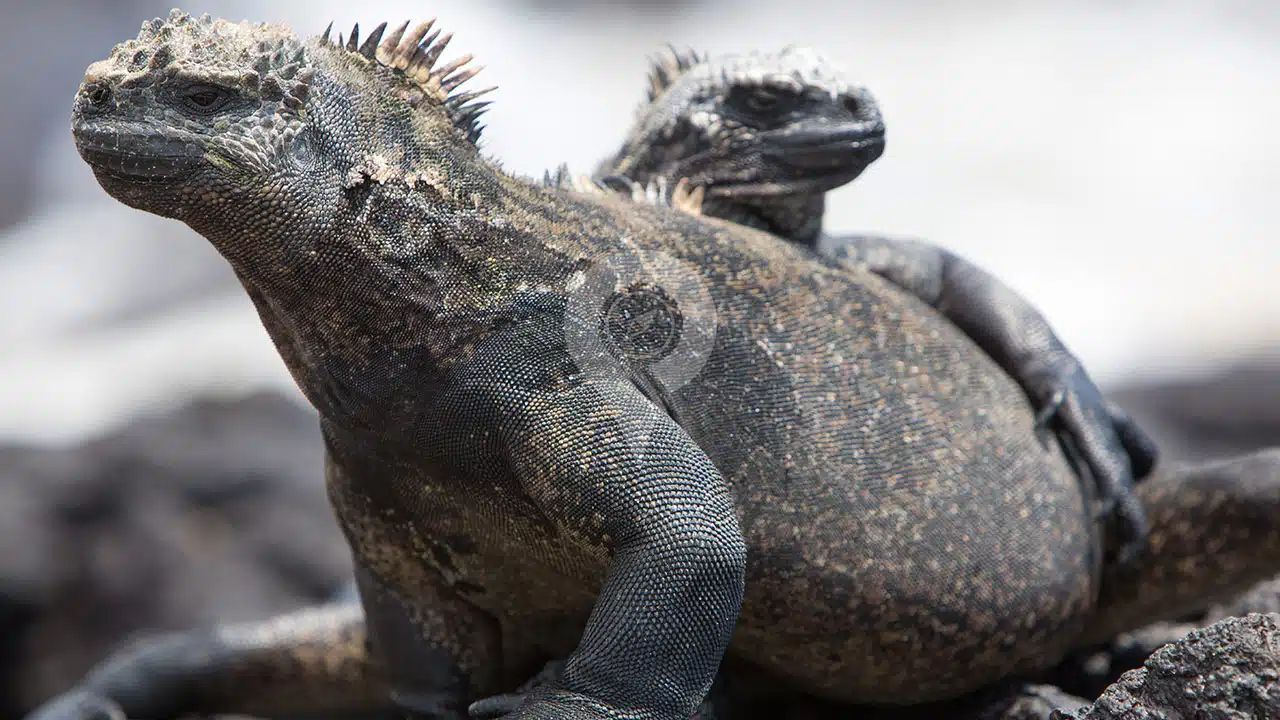
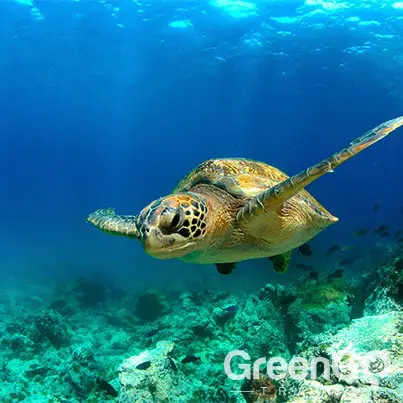
Galapagos animals don’t migrate away for the winter, so you’ll see sea lions, giant tortoises, marine iguanas, boobies and frigatebirds in every month. What changes is the behavior. In the warm season, green sea turtles nest on the beaches, marine iguanas turn red and green for mating, and land birds nest after the rains. In the cool season, humpback whales pass through (from about June to September), sea lion pups are born, and Galapagos penguins and flightless cormorants are at their most active in the cold western waters. The month-by-month section below shows the highlights of each month. For an overview of the species, see our guide to 21 famous Galapagos animals.
Best time for snorkeling
For comfortable snorkeling, come between January and May, when the water is warmest (around 25°C / 77–78°F) and visibility is usually at its best. From June to November the water drops to around 21.5–23.5°C (71–74°F), so you’ll want a wetsuit, but the cooler water brings more fish, playful sea lions and penguins. Read more in our Galapagos snorkeling and scuba guide.

Best time for diving
Many experienced divers prefer the cool season, from June to November. That’s when whale sharks visit the remote Darwin and Wolf islands, and the nutrient-rich water attracts large schools of fish. Hammerhead sharks can be seen all year. The warm season offers calmer seas and warmer water. See our Galapagos diving options.
Best time for hiking
You can hike in the Galapagos all year, and every cruise and land tour includes daily guided walks. From June to November, daytime highs stay around 24–27°C (76–80°F) and the sky is often overcast, which makes longer hikes, such as the trail up Sierra Negra Volcano on Isabela, more comfortable. From December to May, midday heat can reach 30–31°C (86–88°F), so plan walks for the early morning or late afternoon.
Best time for calm seas and avoiding seasickness
Seas are calmest from January to May. They start to get choppy in July and are usually roughest from August to October, especially on long open-water crossings. If you are prone to seasickness, choose the warm season, a larger or more stable vessel, or a land-based trip. Our guide to Galapagos seasickness explains how to choose a route and what to take.
Best time for budget and fewer crowds
The busiest periods are mid-June to early September (summer school holidays) and mid-December to mid-January (Christmas and New Year), plus Easter week. These dates sell out first, so book them as early as you can. The quietest months, when you’ll find the most availability and the best chance of special offers, are late January to May (outside Easter) and mid-September to early December. Visitor numbers in the Galapagos National Park are controlled by fixed itineraries, so even in high season the visitor sites rarely feel crowded. For a full breakdown of costs, see our Galapagos trip cost guide.
Best time for families
Most families travel during school holidays, which coincide with the busiest periods, so book early. If you can travel with younger children outside those dates, the warm season (January to May) offers warmer water and calmer seas, which makes snorkeling and boat rides easier for kids. Read our tips for Galapagos family cruises.
Galapagos Seasons: Warm Season vs. Cool (Garúa) Season
Galapagos has two seasons, with gradual changes in between. The dates shift slightly from year to year.
| Warm season (about December–May) | Cool garúa season (about June–November) | |
|---|---|---|
| Air temperature | Highs of 27–31°C (80–88°F) | Highs of 24–27°C (76–80°F), cool evenings |
| Water temperature | 23–26°C (74–78°F) | 21.5–23.5°C (71–74°F), colder around Isabela and Fernandina |
| Sky and rain | The sunniest time of year, with short, heavy showers, mostly from January to March | Mostly overcast, with a fine mist (garúa) that keeps the highlands green; the lowlands stay dry |
| Sea conditions | Calmest of the year | Choppier, roughest from August to October |
| Landscape | Lowlands turn green after the rains | Lowlands are dry and brown; highlands are lush |
| Highlights | Sea turtle nesting, colorful marine iguanas, land bird nesting, warm-water snorkeling | Whales, whale sharks, sea lion pups, penguins, nesting seabirds, waved albatrosses |
Warm season (December to May)
From December, the warm Panama Current flows down from the north and the islands heat up. Days are sunny and humid, with short, heavy showers, usually in the afternoon. February to April are the warmest and sunniest months, and the sea is calm and clear. After the rains, the dry lowlands turn green and many animals start their breeding season.

Cool garúa season (June to November)
From June, the cold Humboldt Current from the south and the deep, cold Cromwell Current, which rises to the surface around the western islands, take over. The water cools down, the sky is often gray, and a fine mist called garúa settles over the highlands, keeping them green while the coast stays dry. This cold, nutrient-rich water feeds the whole food chain, which is why the cool season is the best time for marine life. Bring a light jacket for the evenings and the boat rides between islands.
For more on how the currents shape the islands, see the International Galapagos Tour Operators Association’s weather guide.
Galapagos Weather and Water Temperature by Month
The table shows the average daily low and high air temperature, the average sea temperature and the average hours of sunshine for each month. The figures are averages for 1991–2020 from the weather station at the Charles Darwin Research Station in Puerto Ayora, Santa Cruz, published by the Charles Darwin Foundation. The highlands are cooler and wetter, and the water around western Isabela and Fernandina is usually colder.
| Month | Air temperature (low–high) | Water temperature | Sunshine per day | Season |
|---|---|---|---|---|
| January | 23–29°C (73–83°F) | 24.5°C (76°F) | 5 hours | Warm |
| February | 23–30°C (74–87°F) | 25.5°C (78°F) | 6.5 hours | Warm |
| March | 23–31°C (73–88°F) | 25.5°C (78°F) | 8 hours | Warm |
| April | 23–30°C (73–86°F) | 25.5°C (78°F) | 7 hours | Warm |
| May | 23–28°C (73–83°F) | 24.5°C (76°F) | 5 hours | Warm, cooling |
| June | 22–27°C (71–80°F) | 23.5°C (74°F) | 3 hours | Cool |
| July | 21–25°C (69–78°F) | 22.5°C (72°F) | 2 hours | Cool |
| August | 20–24°C (67–76°F) | 21.5°C (71°F) | 2 hours | Cool |
| September | 20–24°C (67–76°F) | 21.5°C (71°F) | 2 hours | Cool |
| October | 20–25°C (68–77°F) | 21.5°C (71°F) | 3 hours | Cool |
| November | 20–26°C (69–78°F) | 22.5°C (72°F) | 3 hours | Cool, warming |
| December | 22–27°C (71–80°F) | 23°C (74°F) | 3.5 hours | Warm |
The warmest month in the Galapagos is March, and the coolest months are August and September. Most of the year’s rain falls from January to March, in short showers; the rest of the year is dry at sea level, with drizzle in the highlands.
January – Galapagos Weather by Month
January marks the start of the warm season. Days are warm and humid, with highs around 29°C (83°F), about 5 hours of sunshine a day and the first short showers of the year.
Water temperature: The sea averages 24.5°C (76°F). Most people snorkel comfortably without a wetsuit, though some like a shorty for longer swims. Seas are calm.
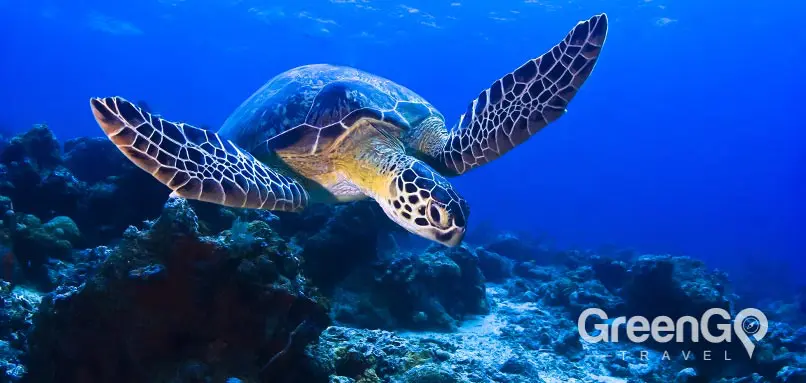
Wildlife: Green sea turtles come ashore to lay their eggs on sandy beaches, and male marine iguanas, especially on Española, show their bright red and green breeding colors. Giant tortoise eggs laid in the second half of the previous year start to hatch. With the first rains, land birds such as Darwin’s finches begin to nest. The waved albatross colony on Española is empty: the birds are at sea until late March.
Prices and crowds: The first half of January is still part of the busy holiday season. From mid-January, demand drops and availability improves for cruises, hotels and flights.
February – Galapagos Weather by Month
February is hot and sunny, with highs around 30°C (87°F) and about 6.5 hours of sunshine a day. It’s also one of the wettest months, though the rain usually comes as short, heavy afternoon showers.
Water temperature: The water warms to about 25.5°C (78°F), among the warmest of the year, and the seas are calm. It’s a great month for snorkeling without a wetsuit.
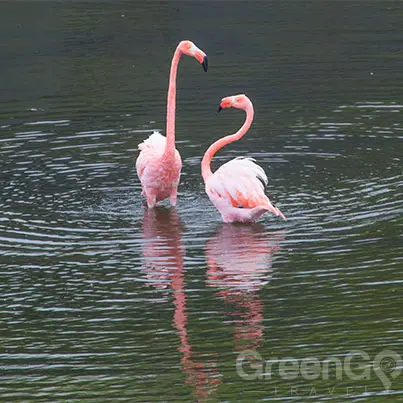
Wildlife: Green sea turtles keep nesting on the beaches. Flamingos start nesting in the lagoons of Floreana, marine iguanas nest on Santa Cruz, and Galapagos doves are at the peak of their nesting season.
Prices and crowds: February is a quiet month outside the holiday periods, with good availability on cruises and land tours.
March – Galapagos Weather by Month
March is the warmest and sunniest month of the year, with highs around 31°C (88°F) and almost 8 hours of sunshine a day. Short rain showers are still common.
Water temperature: The sea stays at about 25.5°C (78°F). Snorkeling conditions are excellent, with calm seas and good visibility.
Wildlife: Marine iguanas nest on Fernandina, and green sea turtles are still laying eggs. Toward the end of the month, the first waved albatrosses return to Española, where almost the entire world population nests.
Prices and crowds: March is a quiet month, except for Easter week when it falls in March. Easter brings more visitors, so book those dates early.
April – Galapagos Weather by Month
April is still hot and sunny, with highs around 30°C (86°F) and about 7 hours of sunshine a day. The rains taper off during the month.
Water temperature: The sea is at its warmest, about 25.5°C (78°F), and the seas are calm. Most snorkelers won’t need a wetsuit.
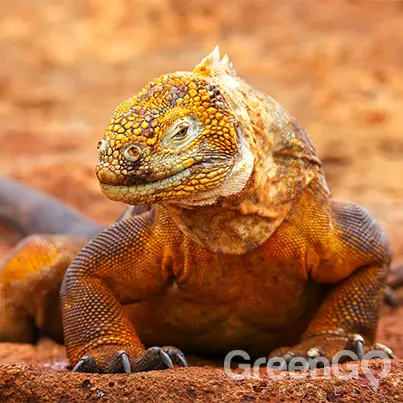
Wildlife: Waved albatrosses arrive on Española in large numbers and start their courtship dance, circling, bowing and “fencing” with their bills. Green sea turtle eggs begin to hatch and the hatchlings head for the sea, and land iguana eggs hatch on Isabela. On Genovesa and San Cristóbal, male frigatebirds inflate their red throat pouches to attract females. The giant tortoise hatching season comes to an end.
Prices and crowds: April is one of the quieter months, with good availability, except during Easter week when it falls in April.
May – Galapagos Weather by Month
May is the last month of the warm season. Highs drop to around 28°C (83°F), the rain stops and the days are still mostly sunny.
Water temperature: The sea cools slightly to about 24.5°C (76°F). The water is still comfortable, though some snorkelers start to wear a shorty wetsuit.
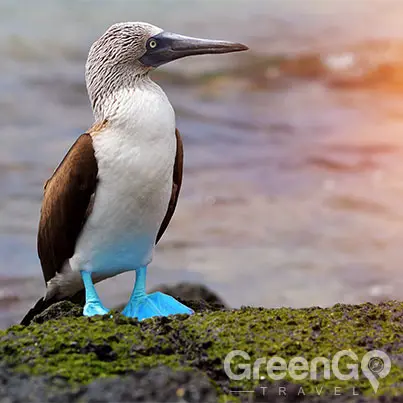
Wildlife: On North Seymour, blue-footed boobies perform their famous courtship dance, raising their bright blue feet to impress the females. Waved albatrosses lay their eggs on Española, marine iguana eggs hatch on Santa Cruz, and storm petrels start nesting on Genovesa.
Prices and crowds: May is one of the quietest months of the year, which makes it a great time to find availability and good offers, with pleasant weather and calm seas.
June – Galapagos Weather by Month
June marks the start of the cool garúa season. Highs fall to around 27°C (80°F), the sky is overcast more often (about 3 hours of sunshine a day), and the fine garúa mist appears over the highlands.
Water temperature: The cool currents arrive and the sea drops to about 23.5°C (74°F), colder in the west. A wetsuit makes snorkeling more comfortable from now until November.
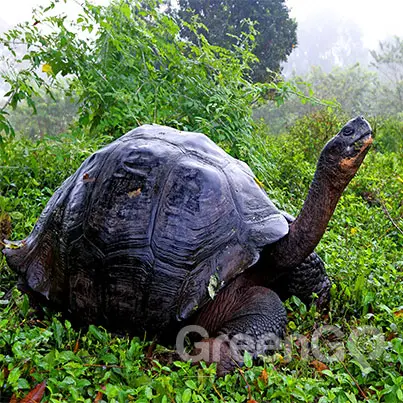
Wildlife: On Santa Cruz, female giant tortoises walk down from the highlands to the lowlands to nest. The first humpback whales arrive from the south, and the first waved albatross chicks hatch on Española. Seabirds are busy with the arrival of the cold, fish-rich water.
Prices and crowds: The first half of June is still quiet. From mid-June, the summer school holidays begin and demand rises sharply. Book these dates early.
July – Galapagos Weather by Month
July is cool and often cloudy, with highs around 25°C (78°F) and only about 2 hours of sunshine a day. Evenings are fresh, so pack a light jacket.
Water temperature: The sea averages about 22.5°C (72°F), and colder around western Isabela and Fernandina. You’ll want a wetsuit for snorkeling and diving. The seas start to get choppy.
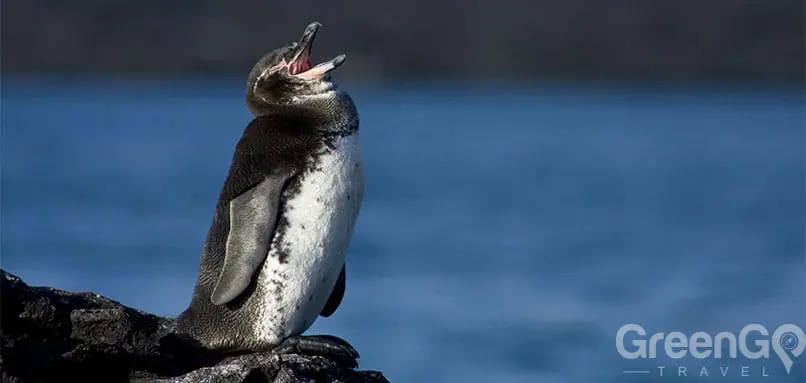
Wildlife: The cold water brings excellent marine life. Whales and dolphins are often seen off western Isabela, and whale sharks start appearing at Darwin and Wolf. Blue-footed booby chicks hatch, Galapagos penguins and flightless cormorants are very active in the west, and lava lizards begin their mating season with their “push-up” displays.
Prices and crowds: July is one of the busiest months, with summer school holidays in North America and Europe. Book flights, cruises and hotels well in advance.
August – Galapagos Weather by Month
August is one of the two coolest months of the year, with lows around 20°C (67°F), highs around 24°C (76°F) and about 2 hours of sunshine a day. The wind picks up.
Water temperature: The sea drops to about 21.5°C (71°F), and colder in the west. Wetsuits are essential for most people. August to October are the roughest months at sea, so if you get seasick, choose your vessel and route carefully.
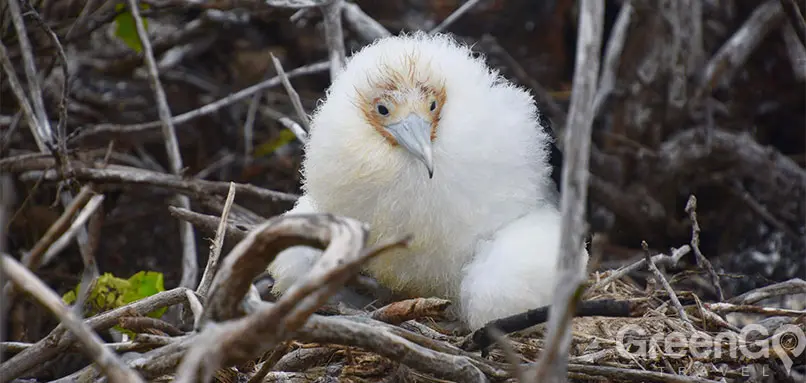
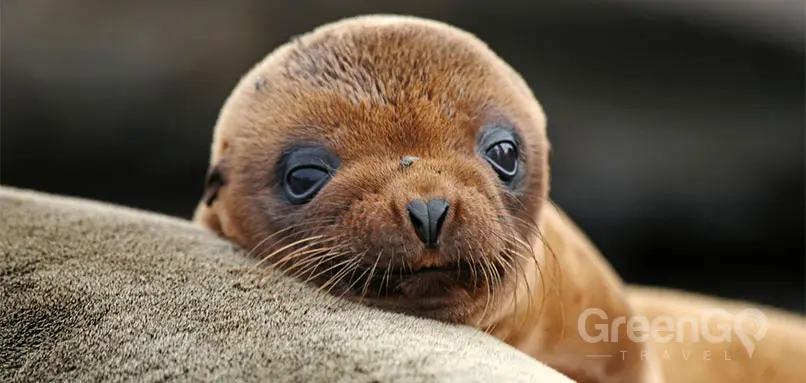
Wildlife: Galapagos sea lion pups are born and can be seen on the beaches with their mothers. Galapagos hawks court on Española and Santiago, humpback whales are still around, and waved albatross chicks keep growing on Española. The cold, rich water attracts large schools of fish, sharks and seabirds.
Prices and crowds: August is still high season with the summer holidays. Book early for the best choice of cruises and cabins.
September – Galapagos Weather by Month
September is as cool as August, with lows around 20°C (67°F), highs around 24°C (76°F) and mostly overcast skies.
Water temperature: The sea stays at its coolest, about 21.5°C (71°F). A wetsuit is a must, and the seas are still rough, especially on open-water crossings.
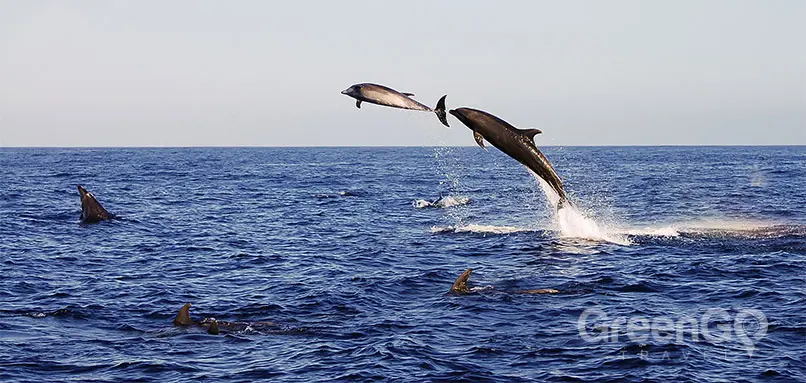
Wildlife: Galapagos penguins are especially active around Bartolomé, and sea lions are in full breeding season, with males competing for territory on the beaches. Most seabirds are at their nesting sites, and whale sharks are still seen at Darwin and Wolf.
Prices and crowds: After the summer holidays end in early September, demand drops. From mid-September, it’s one of the best times to find availability and offers.
October – Galapagos Weather by Month
October is still cool, with highs around 25°C (77°F) and about 3 hours of sunshine a day. The days slowly start to warm up.
Water temperature: The sea is about 21.5°C (71°F), so you’ll still need a wetsuit. The seas remain choppy until late in the month.
Wildlife: Galapagos fur seals breed, lava herons build their nests, and blue-footed booby chicks are everywhere. On Santa Cruz, giant tortoises are still laying eggs in the lowlands. Sea lion pups are curious and often come to play with snorkelers.
Prices and crowds: October is one of the quietest months of the year, with good availability on cruises, land tours and flights.
November – Galapagos Weather by Month
November is the end of the cool season. Highs rise to around 26°C (78°F), and the sky is a mix of overcast and sunny days.
Water temperature: The sea warms slightly to about 22.5°C (72°F). A wetsuit is still a good idea, but the seas are calmer and visibility improves.
Wildlife: Young sea lions are at their most playful in the water, which makes November one of the best months to snorkel with them. Green sea turtles start mating in the shallows, brown noddies breed, and storm petrels begin their second nesting season. Dolphins are often seen riding the bow waves of boats.
Prices and crowds: November is a quiet month, with a short increase in demand around the US Thanksgiving holiday.
December – Galapagos Weather by Month
December is the start of the warm season. Highs climb to around 27°C (80°F), the days get sunnier and the first rains turn the lowlands green.
Water temperature: The sea warms to about 23°C (74°F). Many snorkelers still prefer a wetsuit in the first half of the month. The seas are calm.
Wildlife: The first giant tortoise hatchlings emerge, and the season runs until April. Green sea turtles gather in the shallows to mate, and marine iguanas start showing their breeding colors. On Española, the young waved albatrosses take their first flights and leave the island.
Prices and crowds: The first half of December is quiet. From mid-December, the Christmas and New Year holidays make it one of the busiest and most expensive times of the year, so book many months ahead.
El Niño and Other Weather Considerations
The figures in this guide are long-term averages, and no two years are the same. Every few years, El Niño brings unusually warm water and heavy rain to the islands, and its opposite, La Niña, brings cooler and drier conditions. Both affect the weather and the wildlife for months, so check the current conditions with your travel advisor before you go.
If you are combining the Galapagos with mainland Ecuador, keep in mind that each region has its own climate. See our guides to the weather in Quito and the weather in the Amazon rainforest.
Planning Tips for Any Season
How far in advance should you book?
For the busiest periods (mid-June to early September, Christmas and New Year, and Easter), book as early as possible: the most popular ships and cabins sell out months ahead. In the quieter months you’ll have more flexibility and may find last-minute availability, but with fewer options to choose from. You can check dates in our Galapagos cruise search.
How many days do you need in the Galapagos?
Most cruises last 4, 5 or 8 days. A shorter cruise covers one region of the archipelago, while an 8-day cruise lets you see more islands and more of the wildlife. Remember that the first and last days are partly spent on flights, so plan at least 5 days if you can. Prefer to stay on land? Our land-based tours combine day trips from Santa Cruz, San Cristóbal and Isabela.
What to pack for each season
In the warm season, pack light clothes, a sun hat, high-protection reef-safe sunscreen and a light rain jacket for the showers. In the cool season, add warmer layers and a jacket for the evenings and boat rides, and make sure a wetsuit is included in your tour. Our Galapagos packing list and our guide on what to wear in the Galapagos have the full details.

Find Galapagos cruises for your travel dates
Galapagos Weather and Best Time to Visit FAQ
There is no bad time to visit. December to May is best for warm water, calm seas and sunshine, while June to November is best for whales, diving and active marine life. Choose based on what you want to see and do.
For warm, sunny weather and calm seas, March and April are hard to beat. For whales and the richest marine life, choose July to September. May and November are good all-round months, with pleasant weather and fewer visitors.
The busiest periods are mid-June to early September, mid-December to mid-January, and Easter week. These dates sell out first, so book them early.
The quietest months, with the most availability and the best chance of special offers, are late January to May (outside Easter) and mid-September to early December.
March is the warmest month, with average highs around 31°C (88°F) and water around 25.5°C (78°F). August and September are the coolest months.
The sea ranges from about 21.5°C (71°F) in August to October to about 25.5°C (78°F) from February to April. The water around western Isabela and Fernandina is usually colder.
From June to November, most people want a wetsuit for snorkeling. From January to May, the water is warm enough for most snorkelers without one.
Most rain falls from January to March, during the warm season, as short, heavy showers between sunny spells. From June to November it rarely rains at sea level, but a fine mist (garúa) covers the highlands.
Humpback whales visit from about June to September, and whales and dolphins are seen most often in the cool season, especially off western Isabela.